care · guide · washing
How to Care for Batik: Washing, Drying, Ironing and Storage
Batik rewards a gentle touch. How to wash batik textiles without fading, clean beaded bags and plush Buddies, iron on the reverse and store batik in a humid climate.
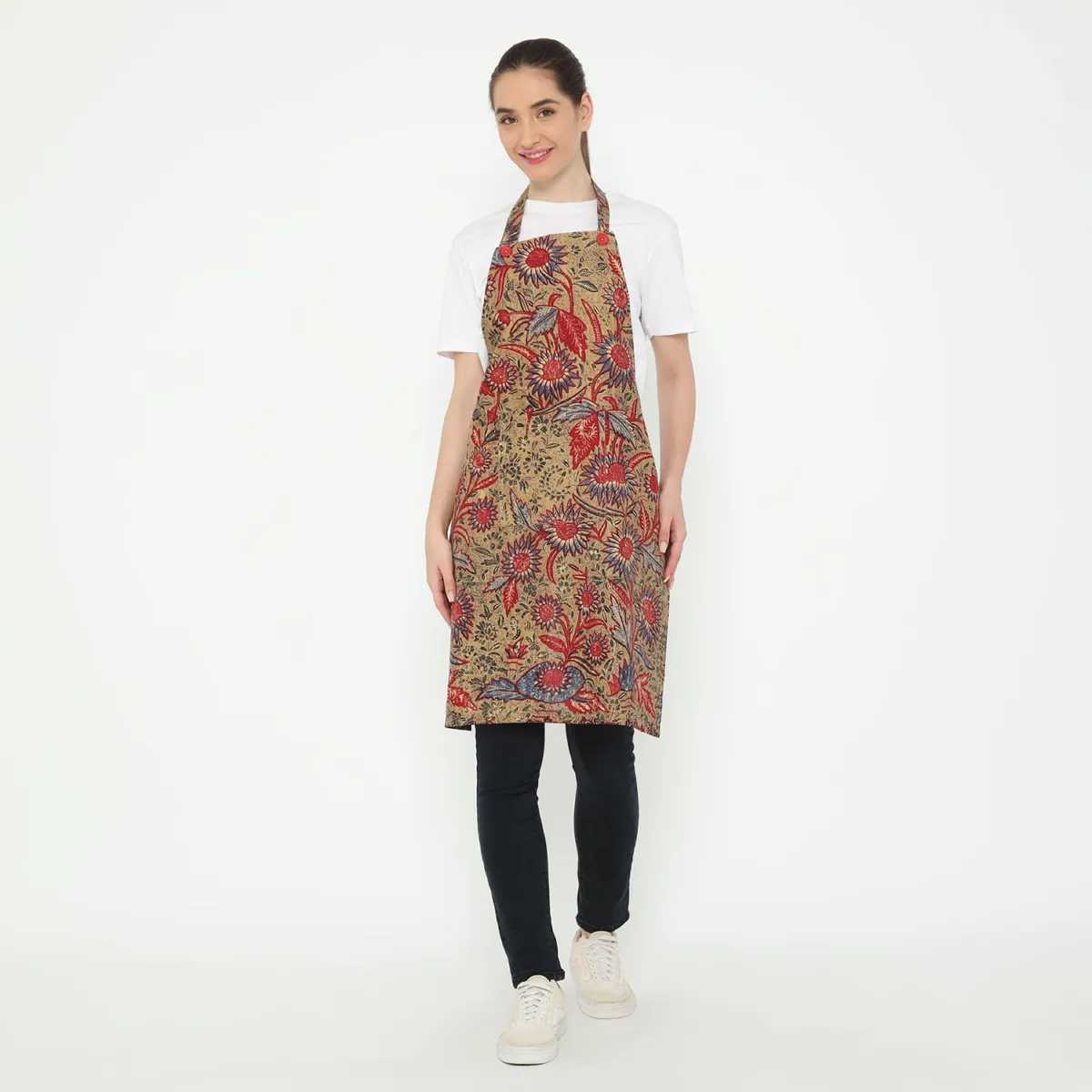
Batik is surprisingly hardy, but its colours and textures last longest with a gentle routine. Whether you own a length of hand-drawn cloth, a printed batik apron or a beaded bag, the same principles apply: keep the water cool, keep the sun off, and treat embellishments with care. Here is how to look after each kind of piece.
What are the golden rules of batik care?
- Cool water, mild soap. Heat and harsh detergents are the quickest way to dull batik colours.
- Wash separately at first. Batik dyes can bleed in the first few washes.
- Dry in the shade. Strong sunlight fades dye, especially deep browns and indigos.
- Iron on the reverse. It protects the surface and any sheen on the fabric.
- Never soak embellished pieces. Beadwork, leather and stuffing do not like being waterlogged.
- Test first. Try any new detergent or stain treatment on a hidden area.
How do you wash batik fabric?
For washable textiles such as aprons, placemats and coasters, hand-washing is kindest. Fill a basin with cool water and a small amount of mild, bleach-free detergent, swish the piece gently for a few minutes and rinse until the water runs clear. Do not wring or twist; press the water out instead. If you prefer the machine, choose a gentle cold cycle, turn the piece inside out and wash it on its own or with similar dark colours.
Some people add a little salt or vinegar to the first rinse in the hope of fixing the colour. Results vary with the dye, so the safest approach is simply cool water and separate washes until you are confident the colour no longer runs.
How should you dry batik?
Hang batik in the shade or indoors with good airflow, away from direct sun and heaters. Avoid the tumble dryer, which can shrink cotton and stress seams. Flat pieces such as coasters and placemats keep their shape best if you smooth them while damp and dry them flat. Never leave batik folded while it is wet, as damp folds can transfer dye from one layer to another.
What should you do about a stain?
Act quickly and gently. Blot — never rub — with a clean, damp cloth, working from the outside of the mark inwards. For washable textiles, rinse the area from the back in cool water before washing as usual. Avoid stain removers containing bleach or optical brighteners, which can lift batik dye and leave a pale patch. On beaded bags, spot-clean only around the beads and let the area dry fully.
How do you iron batik?
Iron on the reverse, on a low to medium setting, while the fabric is still very slightly damp, or use a pressing cloth. Ironing the right side directly can leave a shine and, on older wax-resist cloths, soften any wax residue. Never iron over beadwork, embroidery or raised details.
How do you care for a beaded batik bag?
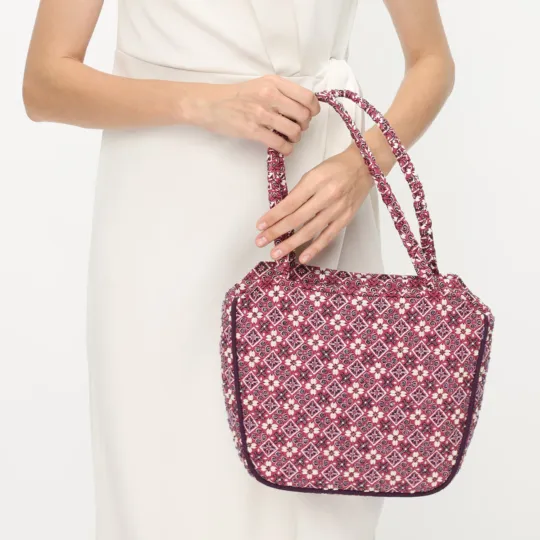
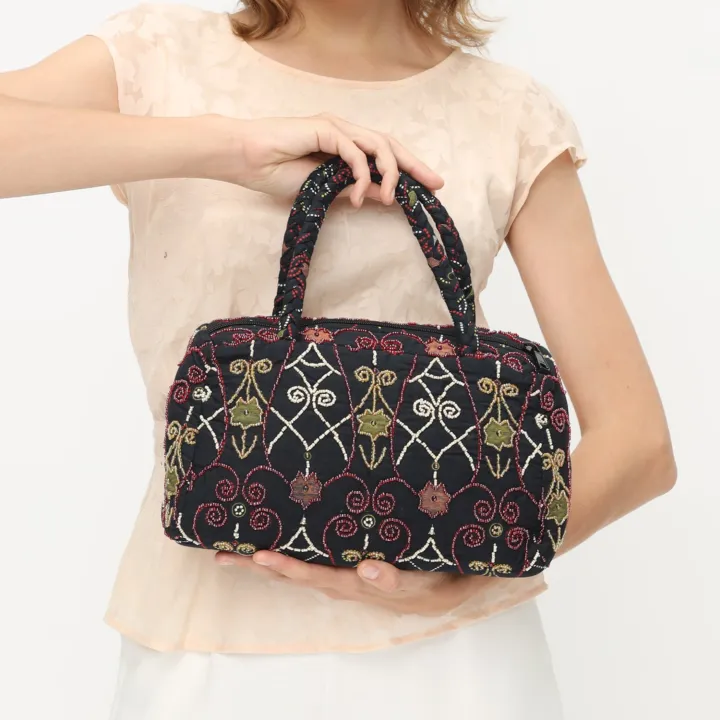
A beaded bag such as the Rosewood Batik Beads or the Purple Elegance Beaded should never be soaked or machine-washed. Instead:
- dab marks with a soft cloth dampened with cool water, working gently around the beads;
- let the bag air dry naturally, away from sun and heat;
- stuff it with tissue paper so it holds its shape, and store it in a dust bag;
- keep it away from rough surfaces, zips and jewellery that could catch on the beadwork; and
- keep leather cord handles dry, wiping them with a barely damp cloth if needed.
If a bag has lost its shape in a suitcase or drawer, stuff it firmly with tissue paper and leave it upright for a day or two. Avoid hanging heavier bags by their handles for long periods, which can stretch handles over time.
How do you clean a plush Batik Buddy?
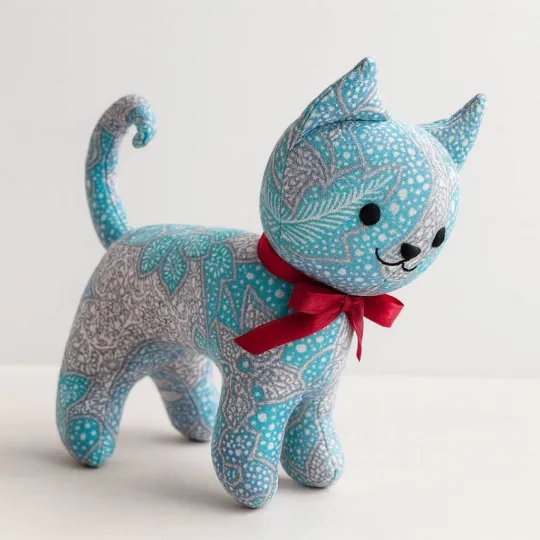
Our Batik Buddies are best surface-cleaned. Wipe the fabric gently with a damp cloth and a drop of mild soap, then with clean water, and let the Buddy air dry completely, ideally somewhere breezy and out of direct sun. Avoid machine washing, which can flatten the stuffing and loosen stitching. A soft clothes brush lifts dust between cleans.
How do you care for batik home textiles?
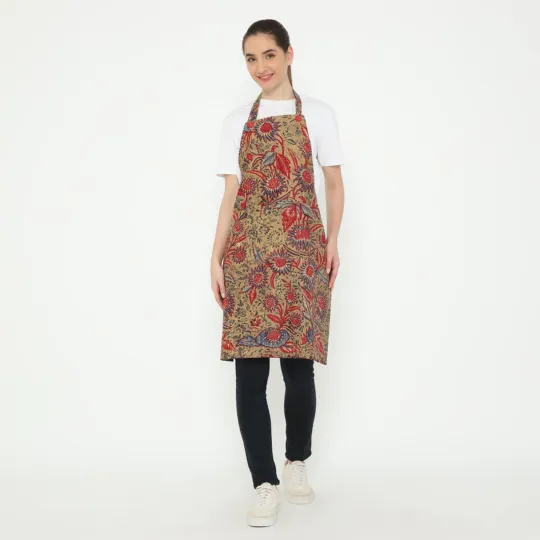
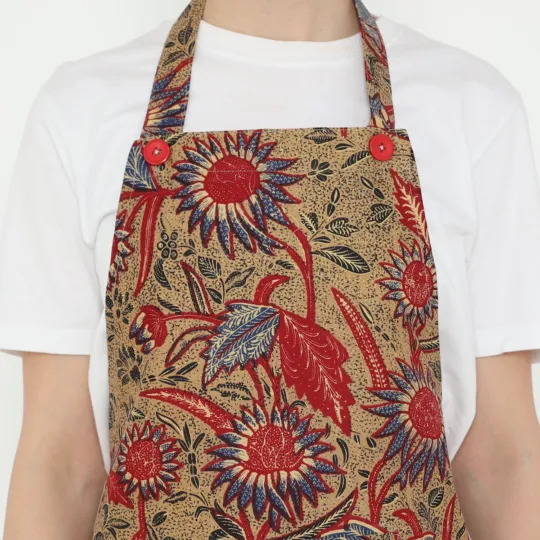
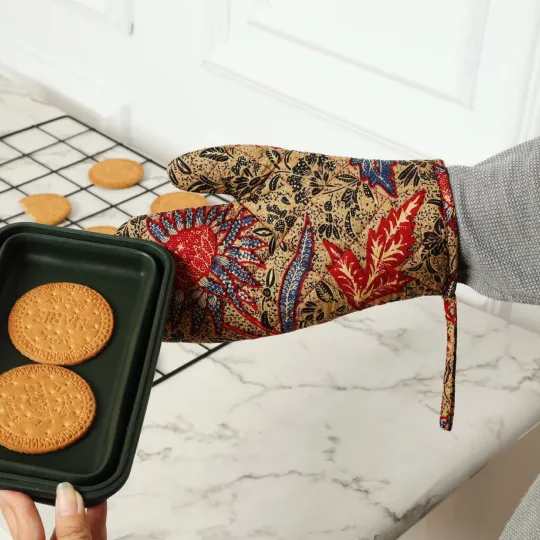
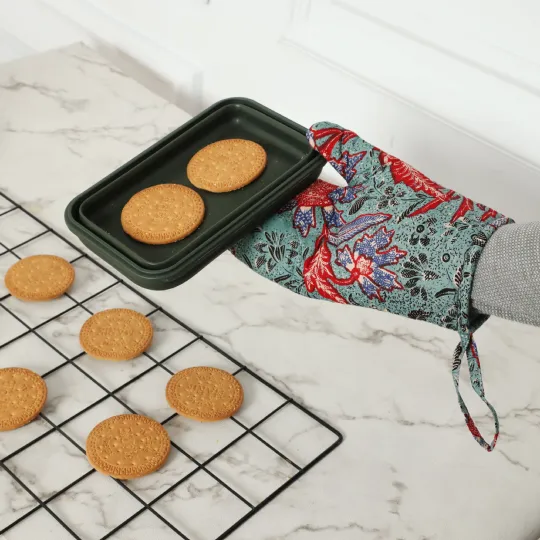
Kitchen and table pieces are designed to be used. Wash the Batik Bloom Apron, placemats and coasters as described above, and treat spills promptly with cool water rather than hot. Make sure oven mittens are completely dry before you use them, because damp fabric conducts heat.
How should you store batik in a humid climate?
In Singapore and elsewhere in the tropics, humidity is the main enemy of stored textiles. Store batik only when it is clean and completely dry, in breathable cotton rather than plastic, somewhere cool and dark. Fold larger cloths loosely, or roll them, and refold them now and then so creases do not set. Bags keep best stuffed and upright in dust bags, with a little space around them for air to circulate.
When should you ask for help?
If a bead loosens, a seam opens or a stain will not shift, stop before it gets worse and ask. For our pieces, email contact@batiklifestyle.com with a photo and we will advise you. Our care guide has a quick-reference summary for every type of piece.