batik · guide · craft
What Is Batik? A Short Guide to the Wax-Resist Craft
Batik is a wax-resist dyeing technique perfected in Java. Here is how batik tulis, batik cap and printed batik-pattern fabric differ, how to tell them apart, and what we use.
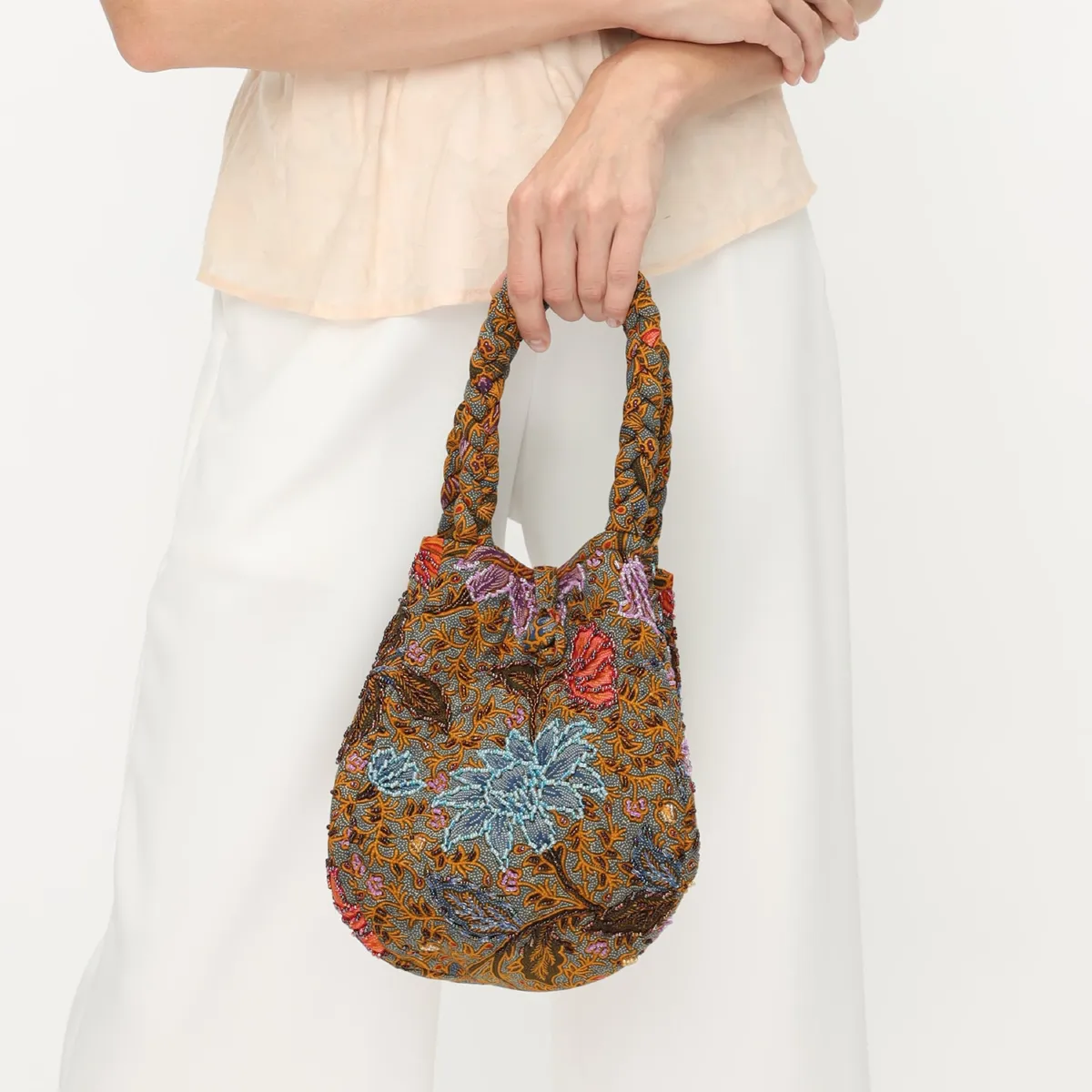
Batik is a method of decorating cloth with wax and dye. Wax is applied wherever the maker wants to keep the existing colour, the cloth is dyed, and the wax is later removed to reveal the pattern. Repeated in layers, this simple idea produces some of the most intricate textiles in the world. Here is a short, practical guide to how batik is made, the main types you will come across, and how to tell them apart.
How does the wax-resist process work?
Wax and water do not mix, so waxed cloth resists dye. A batik maker starts with plain cloth, usually cotton or silk, and applies hot wax to every area that should stay pale. The cloth is then dipped in a dye bath. Once it has dried, more wax may be added to protect the first colour before a second, darker dye. After the final colour, the wax is removed — traditionally by boiling, a step known in Java as nglorod — and the full design emerges.
Because the wax can crack as the cloth is handled, dye sometimes seeps into those cracks and leaves fine veins across the pattern. This crackle is one of the most recognisable signs of wax-resist batik.
Where does batik come from?
Resist-dyeing with wax has been practised in many cultures, but Java took it to an extraordinary level of refinement. Over centuries, Javanese batik developed its own visual language of motifs, many with traditional meanings, and distinct regional styles — from the brown-and-indigo sogan cloths of the court cities of Yogyakarta and Surakarta to the vivid north-coast batik of Pekalongan, Lasem and Cirebon.
In 2009, UNESCO inscribed Indonesian Batik on the Representative List of the Intangible Cultural Heritage of Humanity. Indonesia celebrates National Batik Day every year on 2 October, when many people wear batik to work and school.
Is batik only made in Indonesia?
No. Wax-resist dyeing appears in many textile cultures, and batik has living traditions elsewhere in Southeast Asia, including Malaysia, where both hand-drawn and block-stamped batik are widely worn. Across the region, Singapore included, batik shirts and dresses are a familiar choice for weddings, festive occasions and formal events. Indonesian batik, though, is the tradition UNESCO has recognised, and the workshops of Java remain its best-known centres.
What is batik tulis?
Batik tulis means “written batik”. The wax is drawn by hand with a canting, a small copper cup with a fine spout fixed to a bamboo handle. The maker traces every outline, dot and filling pattern, usually on both sides of the cloth. A complex piece can take weeks or months, and the subtle irregularities of the hand are part of its appeal. Tulis is the most prized form of batik and is priced accordingly.
What is batik cap?
Batik cap uses a copper stamp, the cap, made from thin strips of metal shaped into a motif. Introduced in the mid-1800s, it allowed makers to apply wax to large areas quickly, which made batik far more widely available. Cap batik is still true wax-resist batik: the cloth is waxed, dyed and boiled in exactly the same way. Many cloths combine stamped repeats with hand-drawn details.
What is printed batik-pattern fabric?
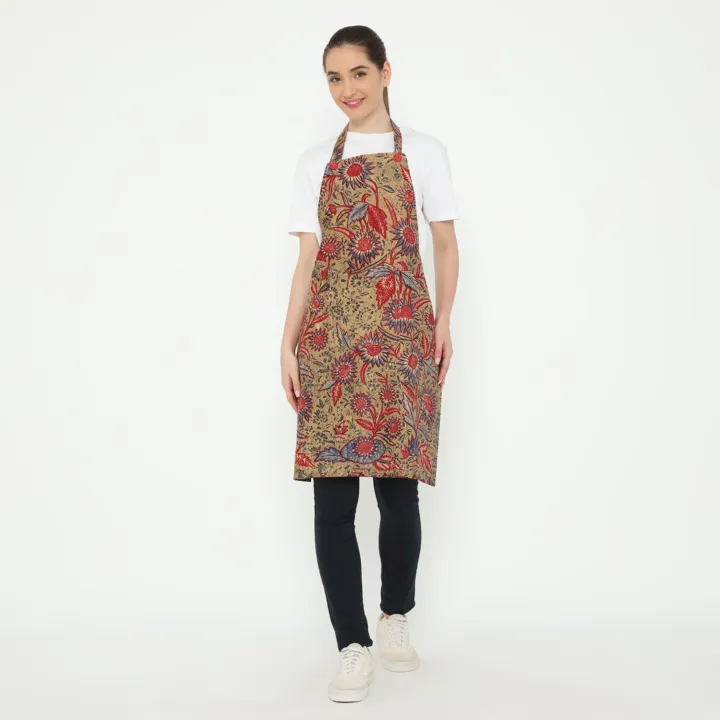
Printed batik-pattern fabric reproduces batik motifs with ink, by screen or digital printing, without any wax. It is the most affordable and consistent way to bring batik designs into everyday products, and much of the “batik” sold around the world today is made this way. Strictly speaking it is a batik-patterned textile rather than batik, because the word describes the wax-resist process — but it plays an important part in keeping the motifs in daily life.
How can you tell them apart?
- Turn it over. Wax-resist batik, whether tulis or cap, usually shows the pattern almost as clearly on the reverse. Printed fabric is often noticeably paler on the back.
- Look at the repeats. Tulis repeats vary slightly; cap repeats are regular, sometimes with small overlaps or gaps where one stamp meets the next; printed repeats are perfectly identical.
- Look for crackle. Fine veins of colour running through the pattern point to wax. Printing never produces true crackle, although some designs imitate it.
- Check the edges of the lines. Wax-resist lines have a soft, slightly irregular edge where the dye met the wax; printed lines are crisp and even.
- Consider the price. A large tulis cloth represents many days of skilled work. A very low price for “hand-drawn” batik is a reason to look more closely.
How should you look after batik?
Whatever kind you own, batik lasts longest with cool water, mild soap and drying in the shade, and embellished pieces should never be soaked. Our guide to caring for batik covers washing, ironing and storage in detail.
What does Batik Lifestyle use?
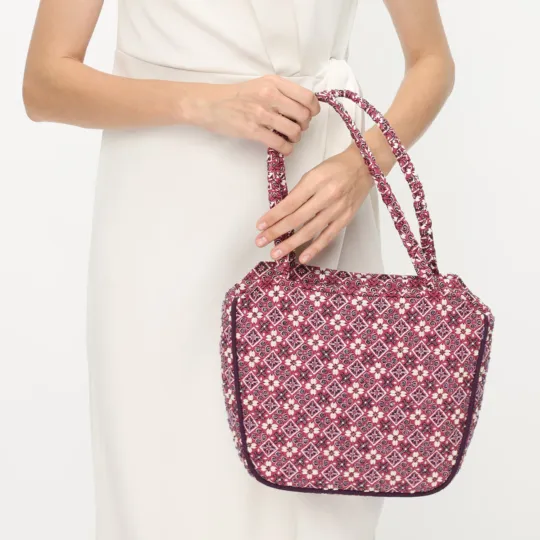
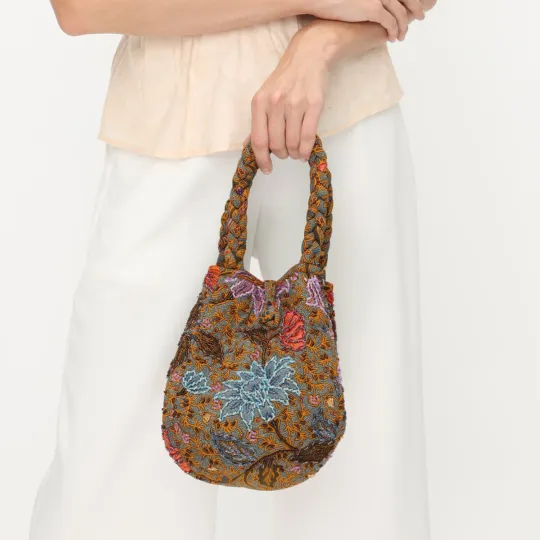
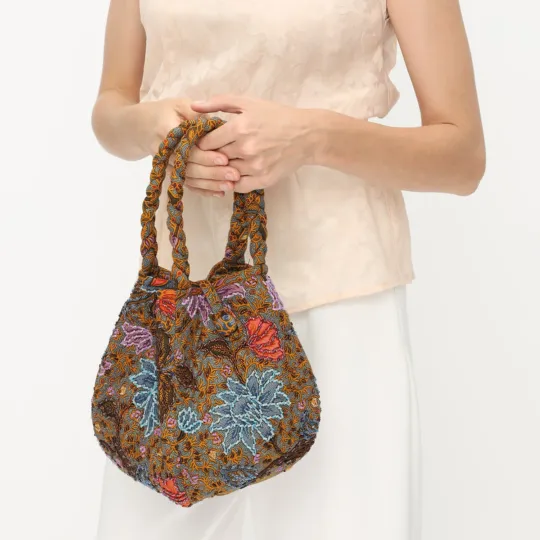
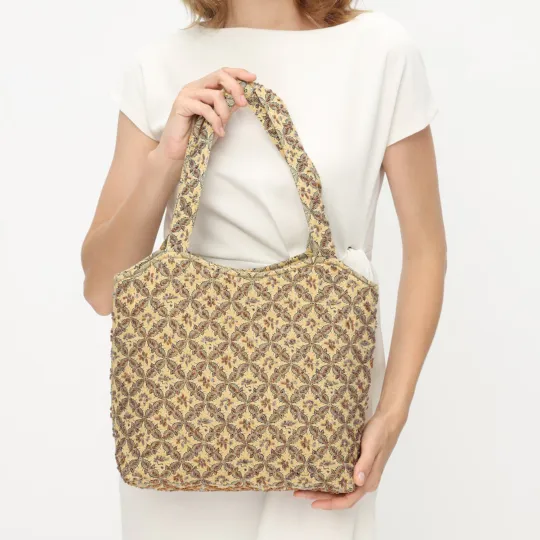
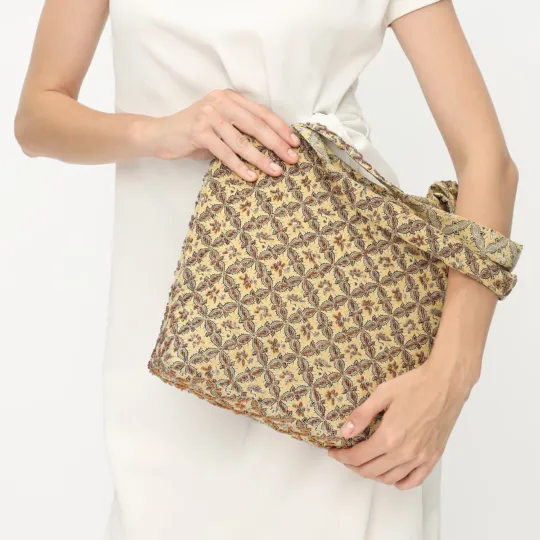
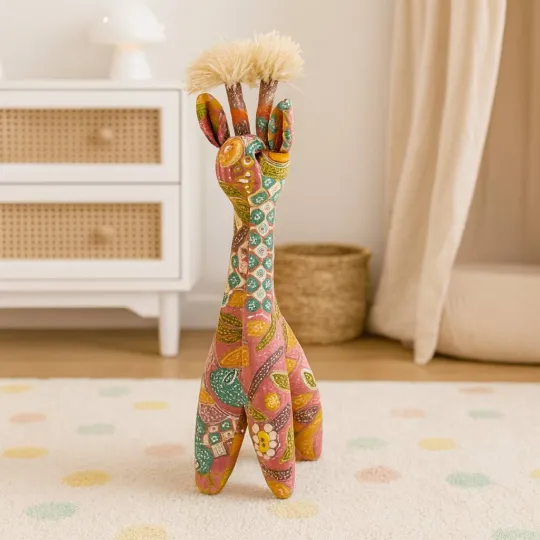
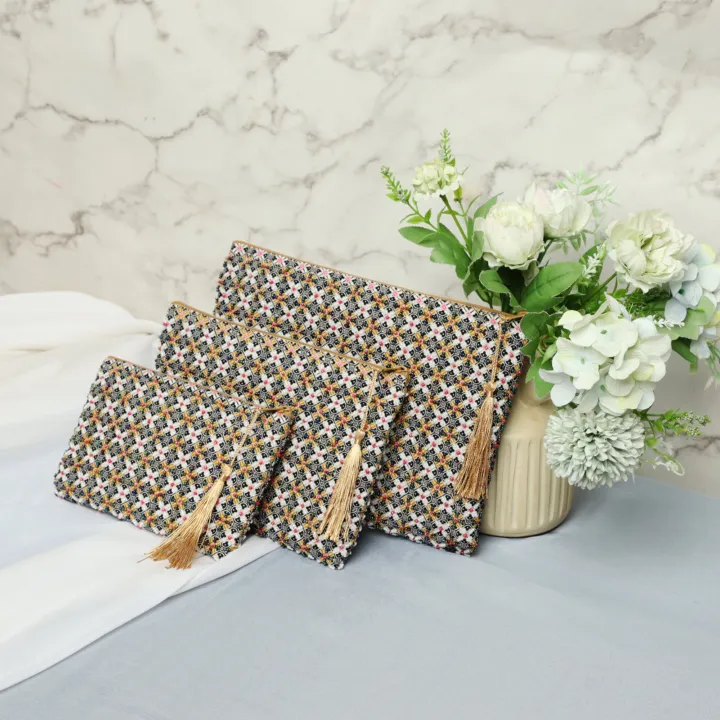
We would always rather you knew exactly what you are buying. Our beaded bags and charms are made from cotton printed with traditional batik patterns, lined with polyester-cotton and embellished with beadwork stitched by hand. Our Batik Buddies are sewn from Indonesian batik fabric. The handwork in our pieces lies in choosing where each motif falls, cutting, beading, stitching and finishing.
That honest combination lets us make heritage-inspired pieces, such as the Rosewood Batik Beads shoulder bag or the Beaded Blossom, that are made to be carried every day. To learn what the patterns themselves mean, read Batik motifs and their meanings, or explore the craft of batik.